
If you’ve ever tried to heat a tortilla directly on a burner, you already know you need a comal. A comal is one of those tools that does everything: heats, toasts, chars, and roasts. It’s the introvert of cookware: steady, reliable, and always there when you need it.
If you don’t have one yet, don’t worry. By the end of this guide, you’ll understand exactly why a comal deserves a permanent spot in your kitchen.
A Tiny Bit of History
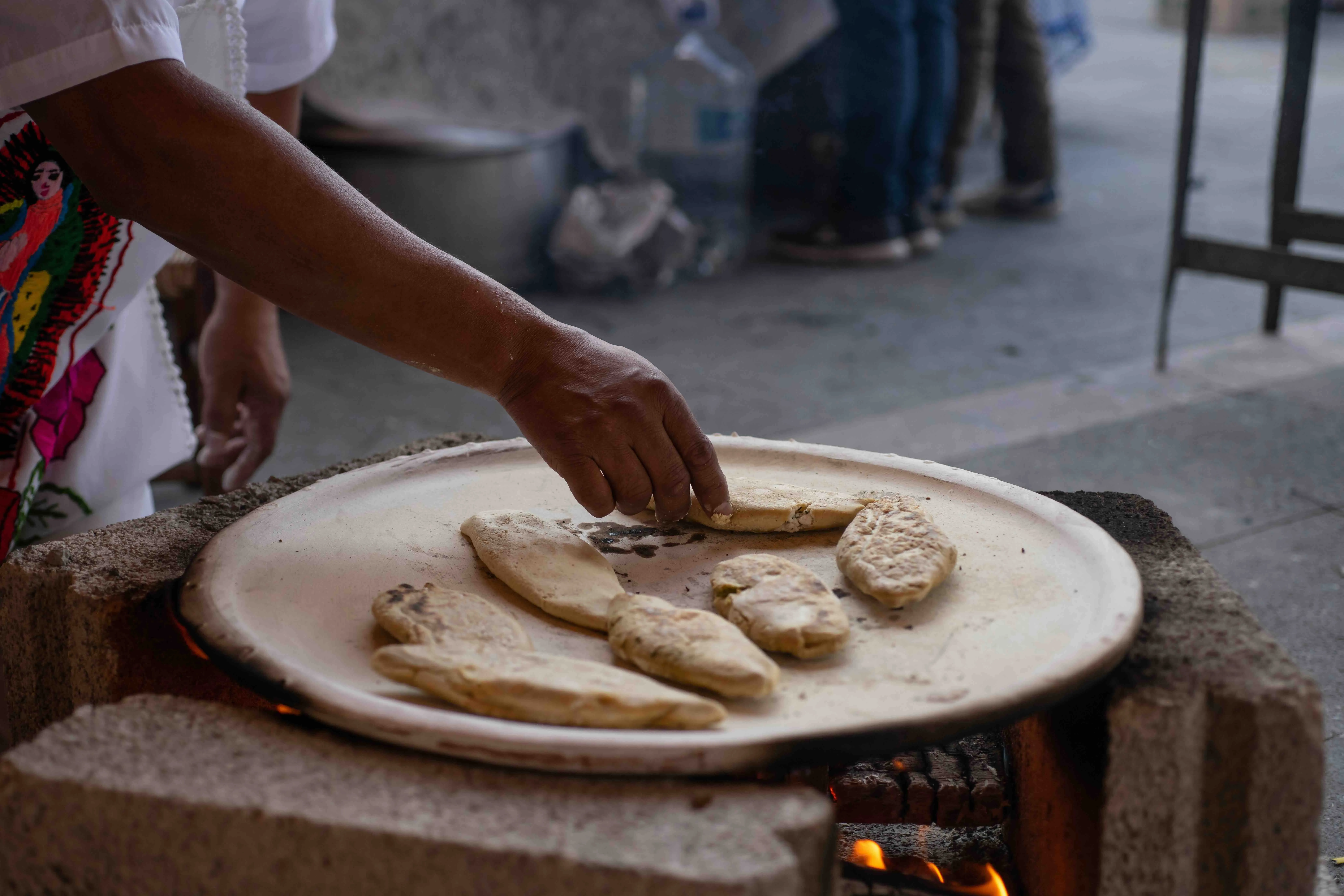
The comal has been around for thousands of years. The earliest comales were made of clay and used over open fires throughout Mesoamerica. People used them to cook tortillas, toast cacao, roast chiles, and basically handle anything that needed heat but not a full pot.
In other words, the comal walked so your skillet could run.
Today, comales come in cast iron, carbon steel, aluminum, and clay, but the job description hasn’t changed. Heat things. Toast things. Make food taste better.
Why You Need One
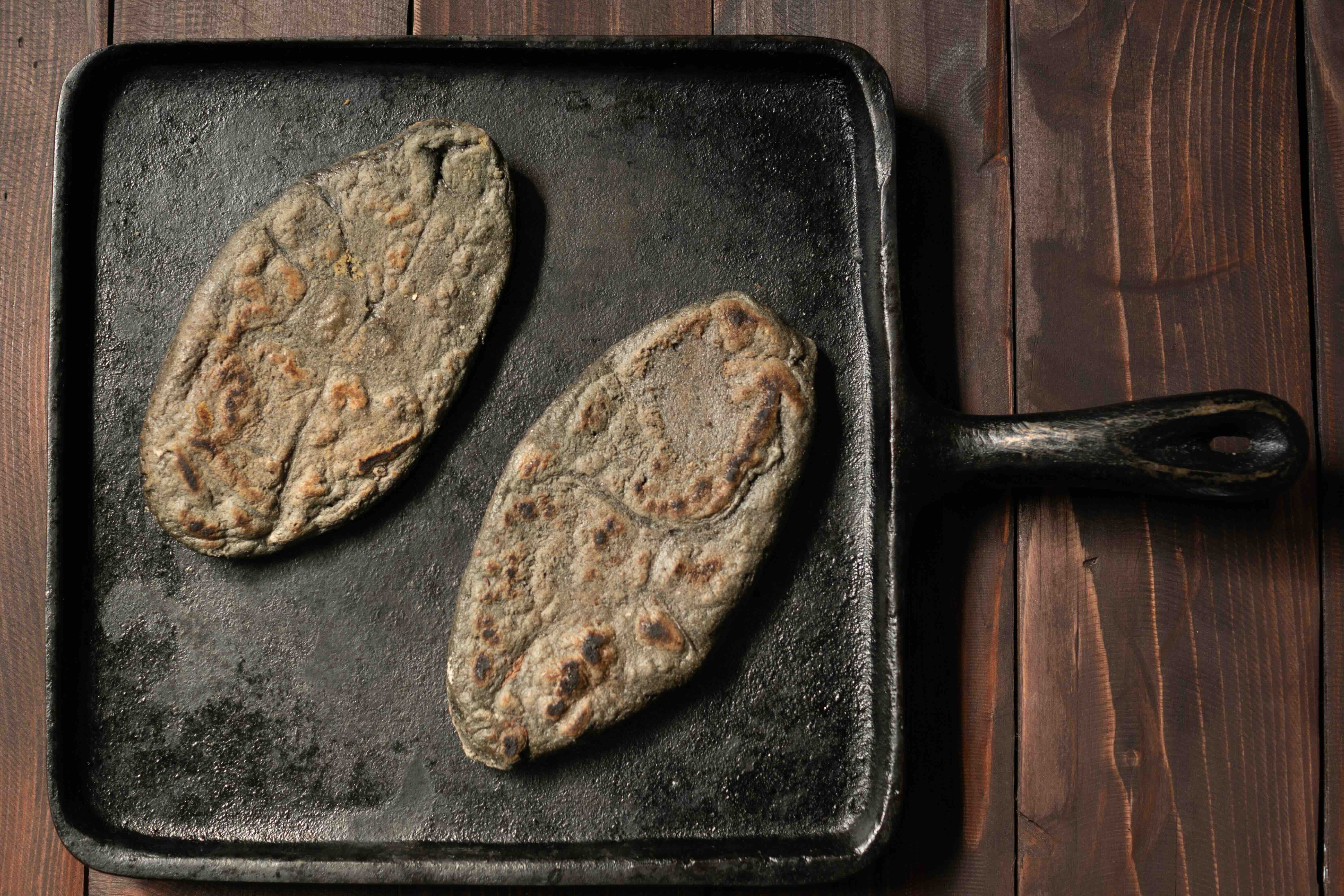
1. Essential for tortillas, quesadillas, sopes, gorditas, tlacoyos, etc!
There truly is no substitute. Don't ask me why, I'm not sure. It tastes and feels different! It's perfect for making but also reheating.
2. Toasting chiles becomes foolproof
No more burning one side while the other side stays cold and confused.
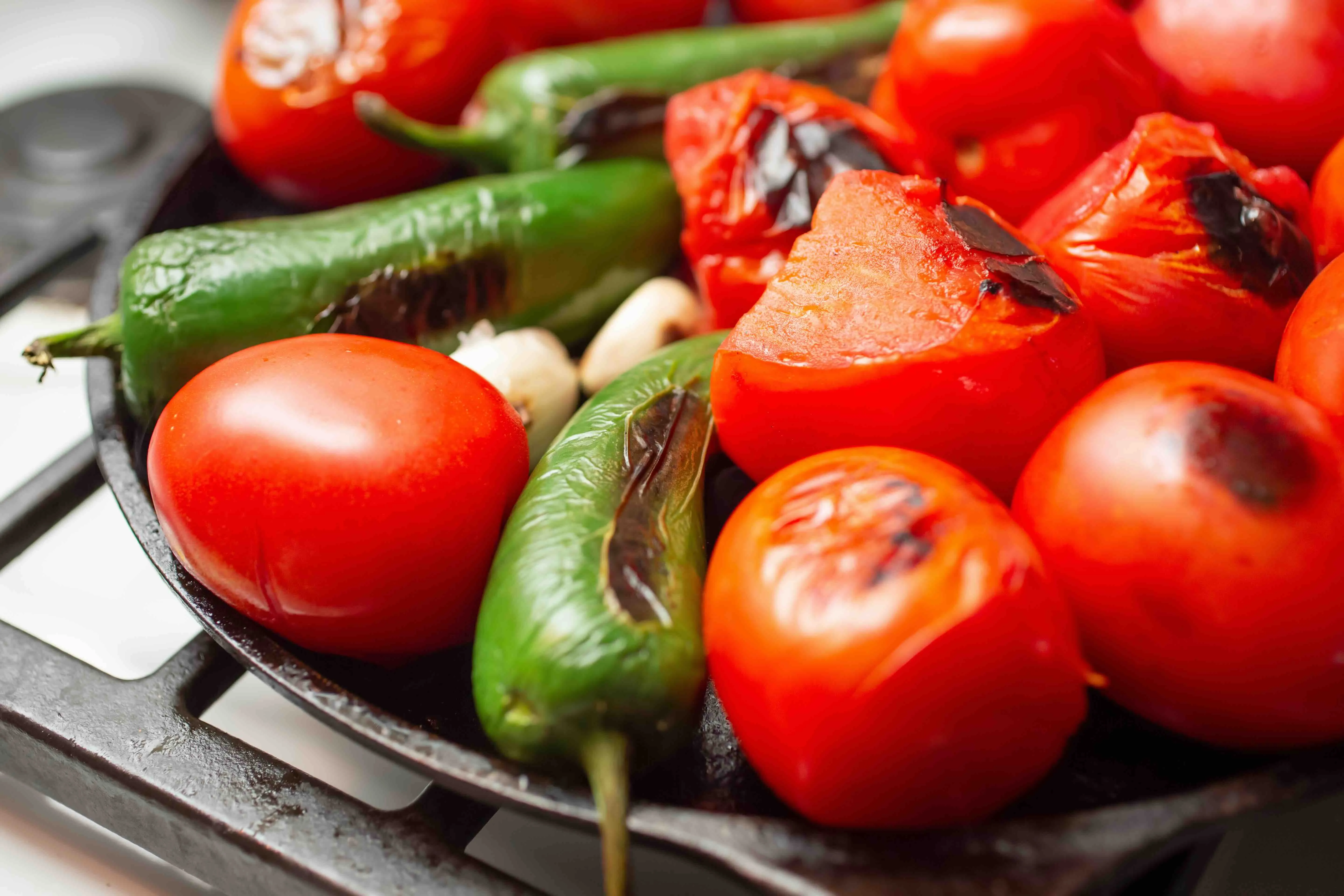
3. Roasting ingredients for salsas
Nothing else will give you that perfect char!
4. Perfect for roasting veggies without a grill
If you don't have a grill or maybe the weather isn't ideal for grilling, a comal is a great option.
5. It replaces multiple pans
A comal can do the job of a skillet, toaster, and grill pan.
6. It lasts forever
Especially cast iron or carbon steel. You’ll probably pass it down to someone who didn’t ask for it.
Types of Comales (And Which One You Should Get)
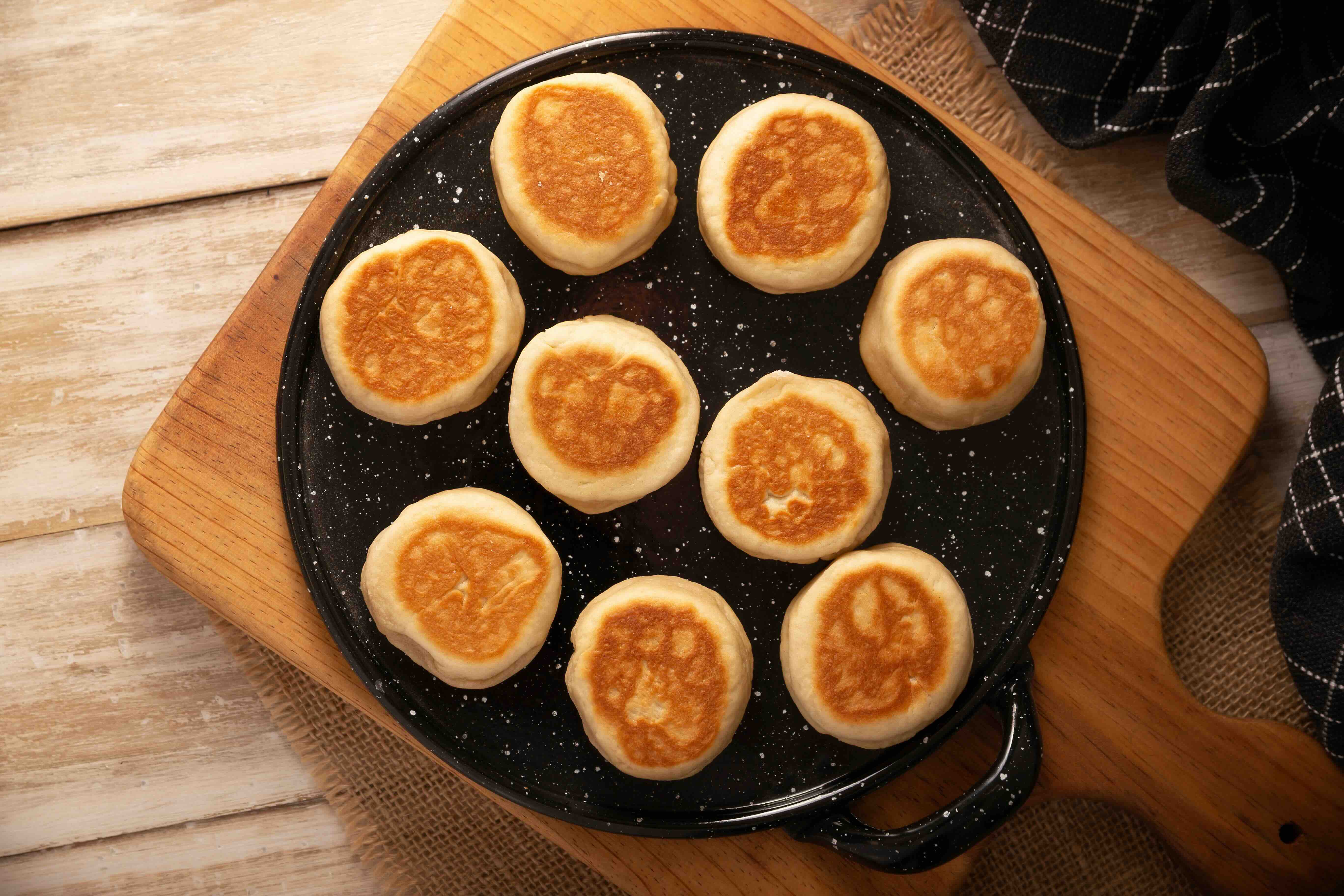
Cast Iron Comal
Heavy, durable, heats evenly, and doubles as a weapon if someone insults your salsa.
- Pros: practically indestructible, great heat retention
- Cons: heavy, takes a little longer to heat up
Carbon Steel Comal
Lighter than cast iron but still strong. Heats fast. Seasons beautifully.
- Pros: responsive heat, lighter weight
- Cons: needs seasoning, but so does your food
Aluminum Comal
Lightweight and cheap. Great for beginners or small kitchens.
- Pros: heats quickly, budget‑friendly
- Cons: doesn’t retain heat as well
Clay Comal (Comal de Barro)
The OG. Incredible flavor, gorgeous, and traditional... but requires care and caution.
- Pros: Clay holds heat three to four times better than metal. Unique flavor enhancement.
- Cons: fragile, porous, needs careful seasoning. May leech lead if unglazed or improperly made.
What to Cook on a Comal First
If you’re new to comal life, start with:
- Quesadillas
- Dried chiles
- Tomatoes + onions + garlic for salsa roja
- Tostadas
These are easy wins that will build your confidence.
A comal isn’t fancy. It doesn’t plug in, it doesn’t beep, and it doesn’t come with a 47‑page manual. It just works. Every time, for almost anything. Once you start using one, you’ll wonder how you ever lived without it. And if you’re not sure which comal to buy, don’t worry. I’ve got budget and splurge picks ready to go so you can find the one that's right for you!


