
Most people think of Mexican food as tacos, quesadillas, and burritos. But the deeper you go, the more you realize that the heart of Mexican cooking was shaped long before any of those dishes existed. Pre-Hispanic flavors are the foundation everything else sits on. They are earthy, bright, smoky, and tied to land, memory, and ingredients that have been here for thousands of years.
The good news is that you don't need a metate or a wood-fired comal to bring these flavors into your own kitchen. You just need to understand what made them work in the first place.
Think of this as a guide for modern cooks who want to explore those roots without turning their kitchen into an archaeological site.
Corn: The Center of Everything
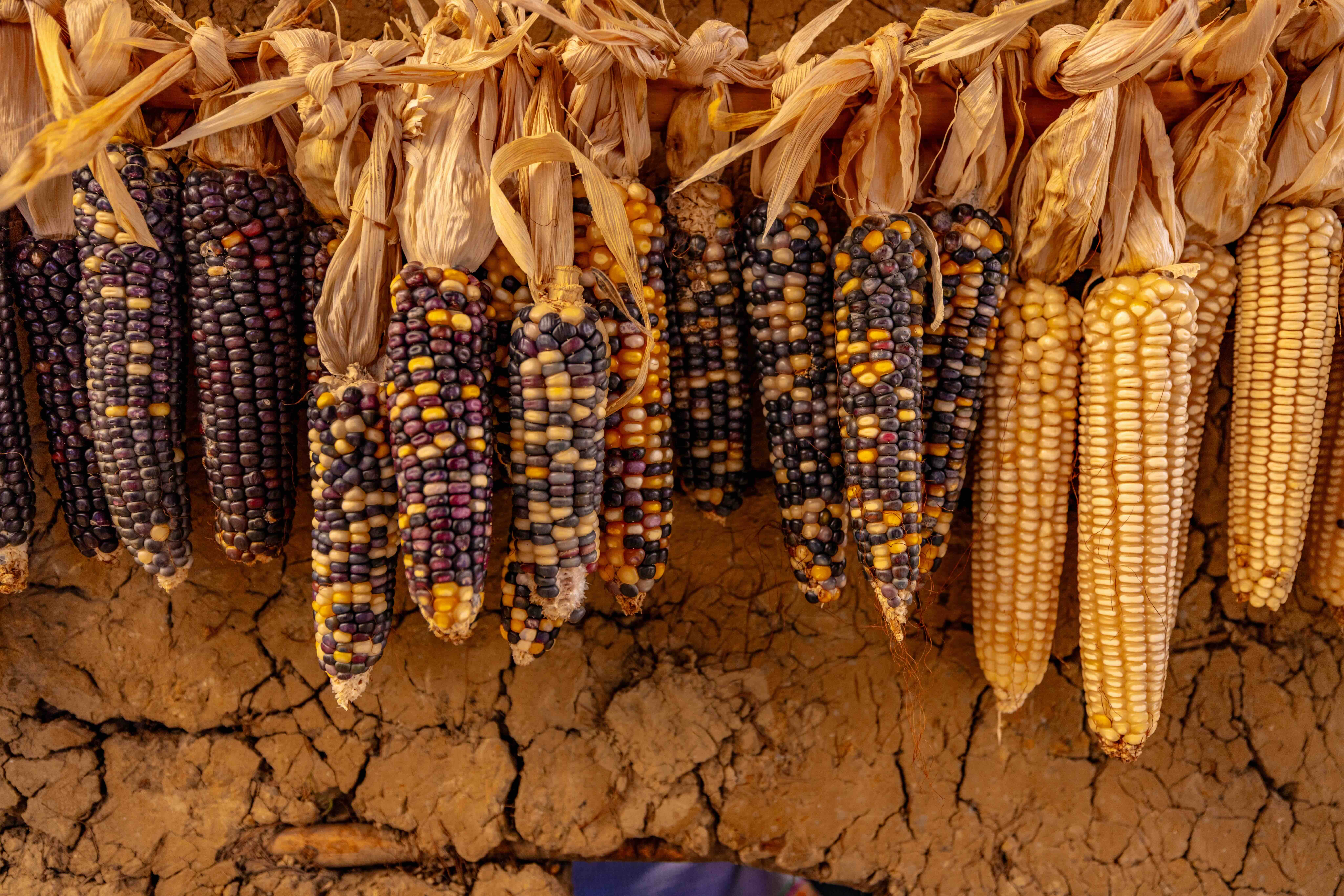
Corn wasn't just a crop. It was identity, agriculture, and survival. Nixtamalization (an ancient processing technique) transformed corn into something nourishing and versatile, and it is the reason tortillas, tamales, and atoles exist at all.
How to bring it into your kitchen:
- Use masa harina for tortillas, sopes, and gorditas.
- Try fresh masa if you can find it at your local Mexican market.
- Add a spoonful of masa to soups or stews for body and flavor.
Corn gives dishes a grounding quality that’s hard to miss or replace.
Chiles: Heat, Flavor, and Smoke
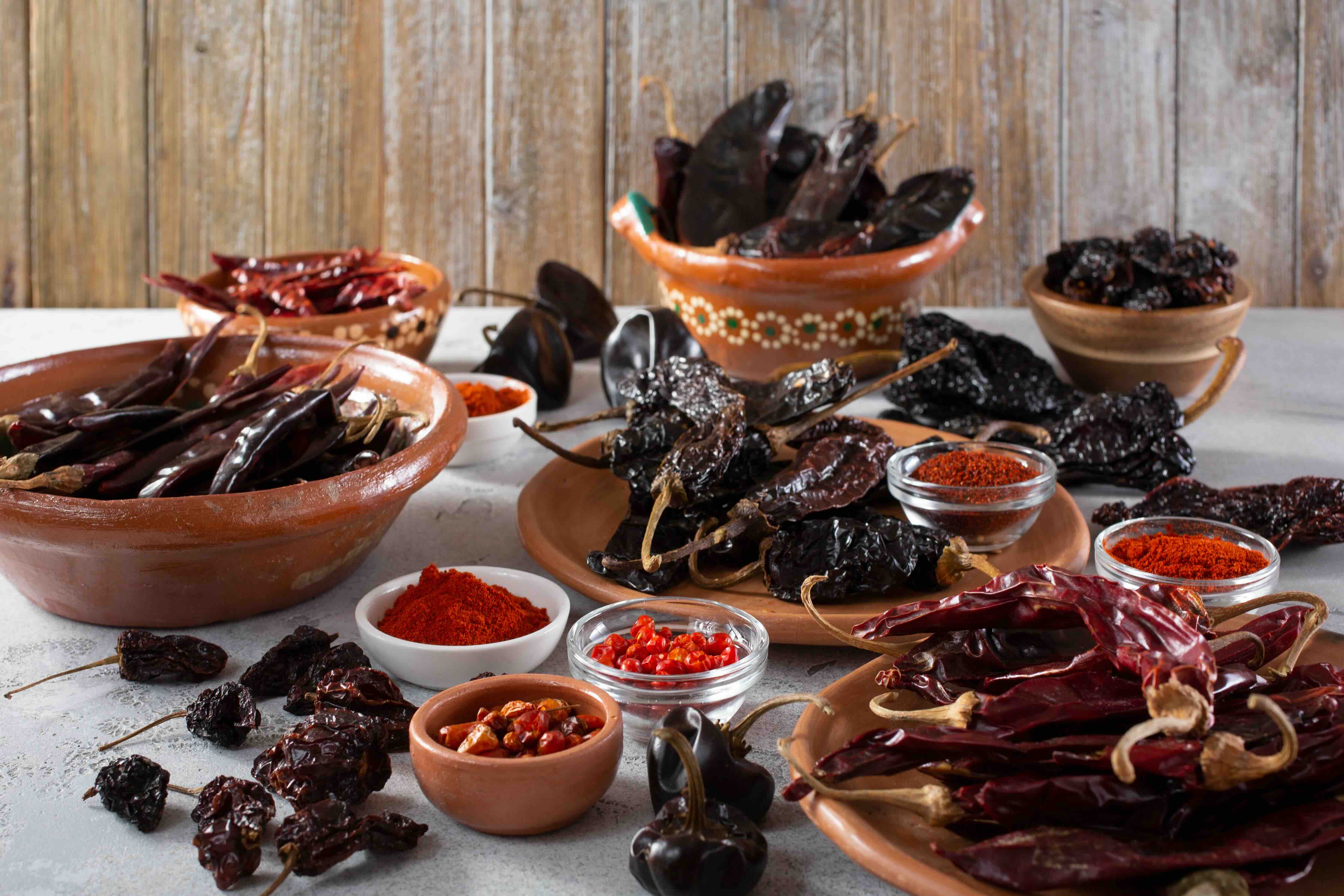
Pre Hispanic cooking used chiles the way some cuisines use butter. Chiles brought heat, yes, but also fruitiness, smokiness, and depth. On top of their nutritional benefits, they were also used for their medicinal properties to treat things like coughs and toothaches.
How to bring them in:
- Experiment with new chiles in your salsas.
- Sprinkle a powdered chile like chipotle over your eggs or roasted veggies.
- If you can take the heat, try roasting or grilling fresh jalapeño or serrano peppers.
Chiles are the backbone of salsas, adobos, and countless dishes.
Tomatoes and Tomatillos: The Acid Balance
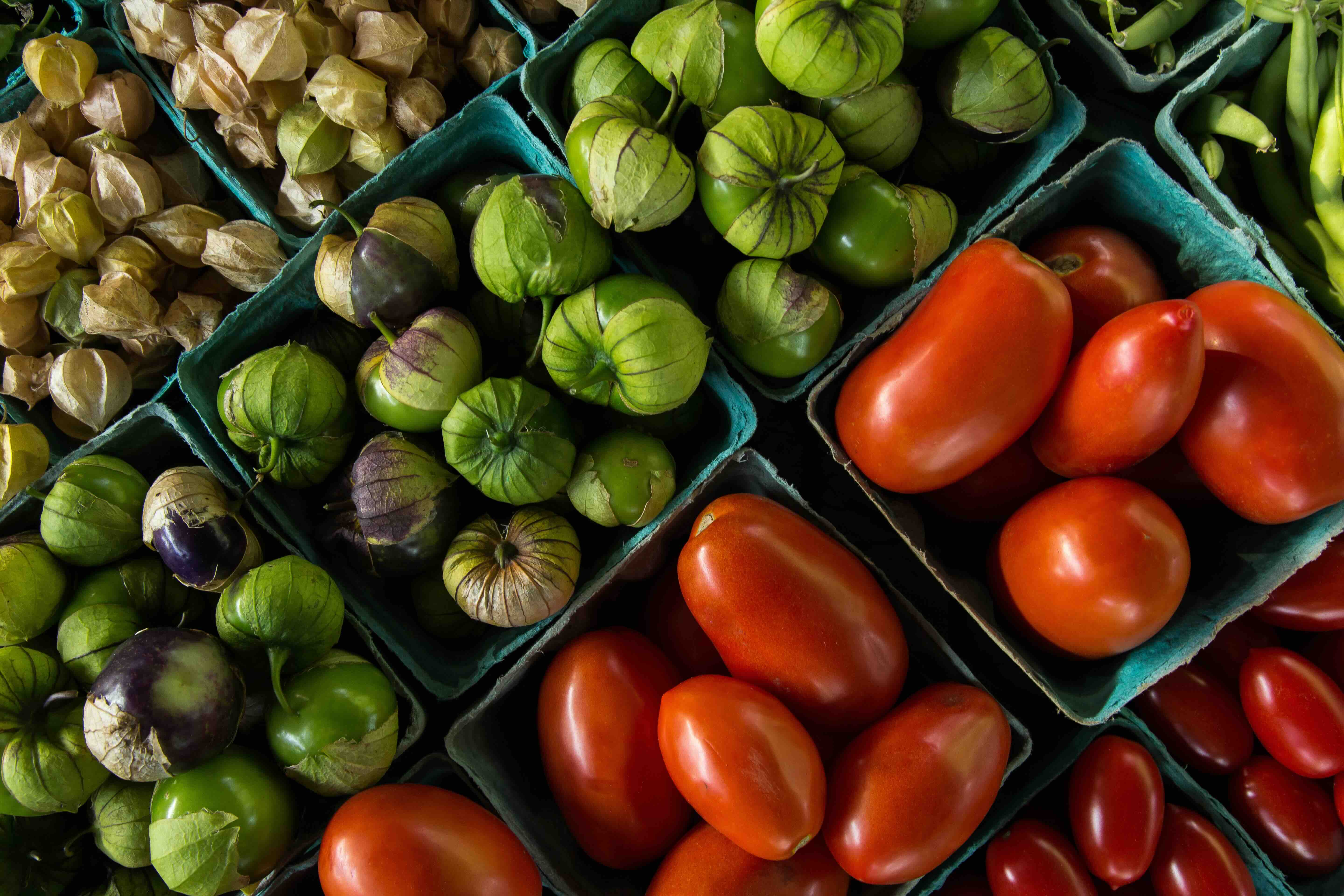
Both tomatoes and tomatillos are native to Mesoamerica, and both were essential for balancing richness and heat. They added acidity, sweetness, and structure to sauces.
How to use them:
- Roast them for smoky depth or boiling for a mellowed flavor.
- Blend raw tomatillos for a bright, sharp salsa.
- Combine both for unique flavors and texture.
They were the quiet workhorses of pre Hispanic cooking.
Quelites: Epazote, Hoja Santa, and More
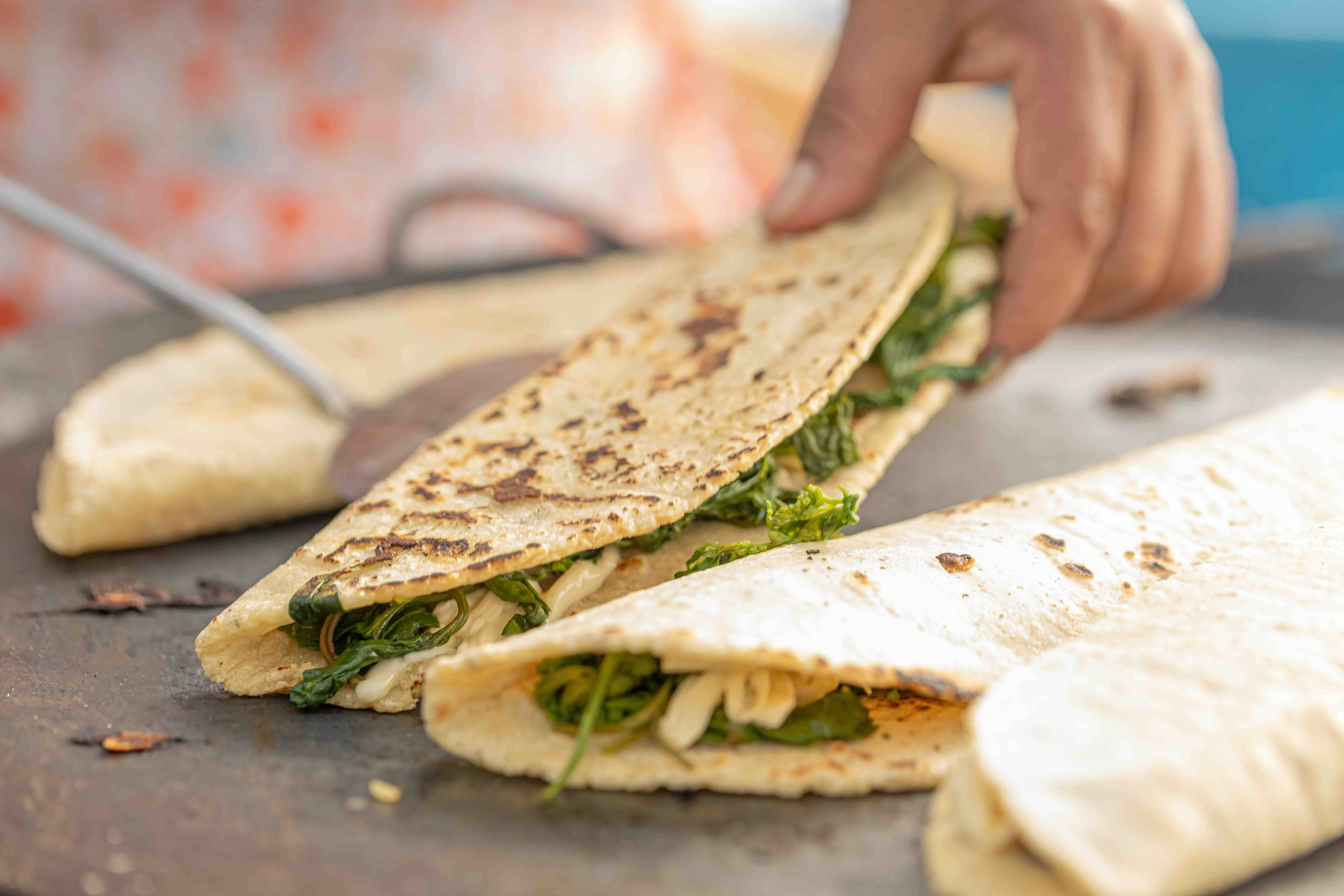
Quelites is a word that comes from Nahuatl and refers to the edible greens and weeds that Indigenous communities gathered and cooked long before Spanish colonization. They were everywhere in daily cooking. Three of the easiest ones to find in the US today are cilantro, epazote, and hoja santa. Cilantro offered a bright and fresh flavor. Epazote added a pungent, aromatic kick. Hoja santa added a warm anise like warmth. These greens have been used for centuries, not just for flavor but also for their digestive and medicinal qualities.
Modern swaps:
- Add them to beans and brothy dishes.
- Try adding some squash blossoms inside of your quesadillas.
- Use them (in small amounts) as flavor boosters in your salsas.
Even small amounts of these greens can shift a dish into ancient territory.
Beans and Seeds: Protein and Texture
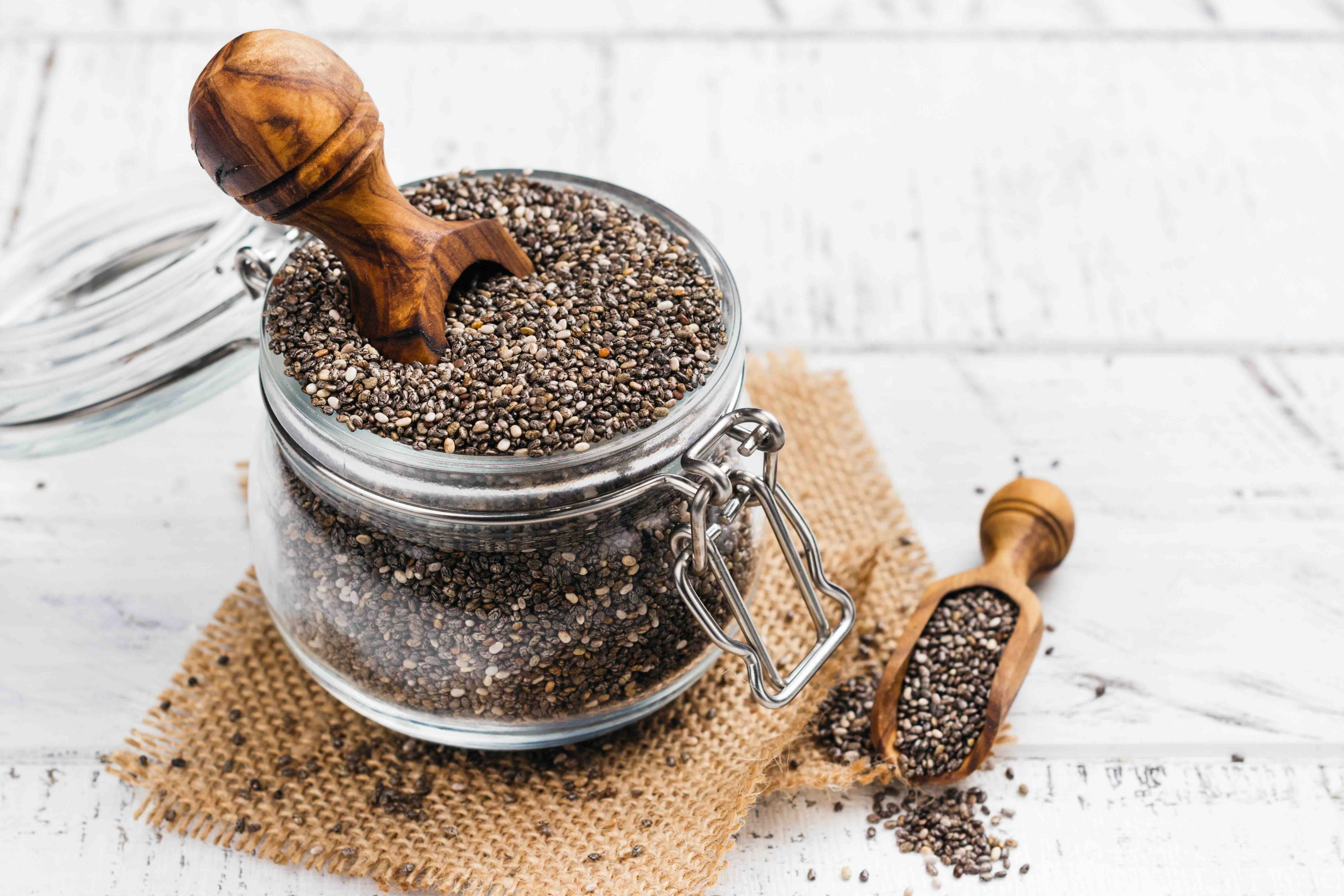
Beans, pumpkin seeds, chia, and other seeds were essential sources of protein. They thickened sauces, enriched stews, and added nutty depth.
How to use them:
- Add 1–2 tablespoons of chia seeds into water with fresh lime juice and some honey.
- Cook beans with aromatics instead of relying on canned.
- Add toasted seeds to salsas for texture.
They make your food taste better and your stomach usually appreciates the extra fiber!
Fire and Smoke: The Original Seasoning
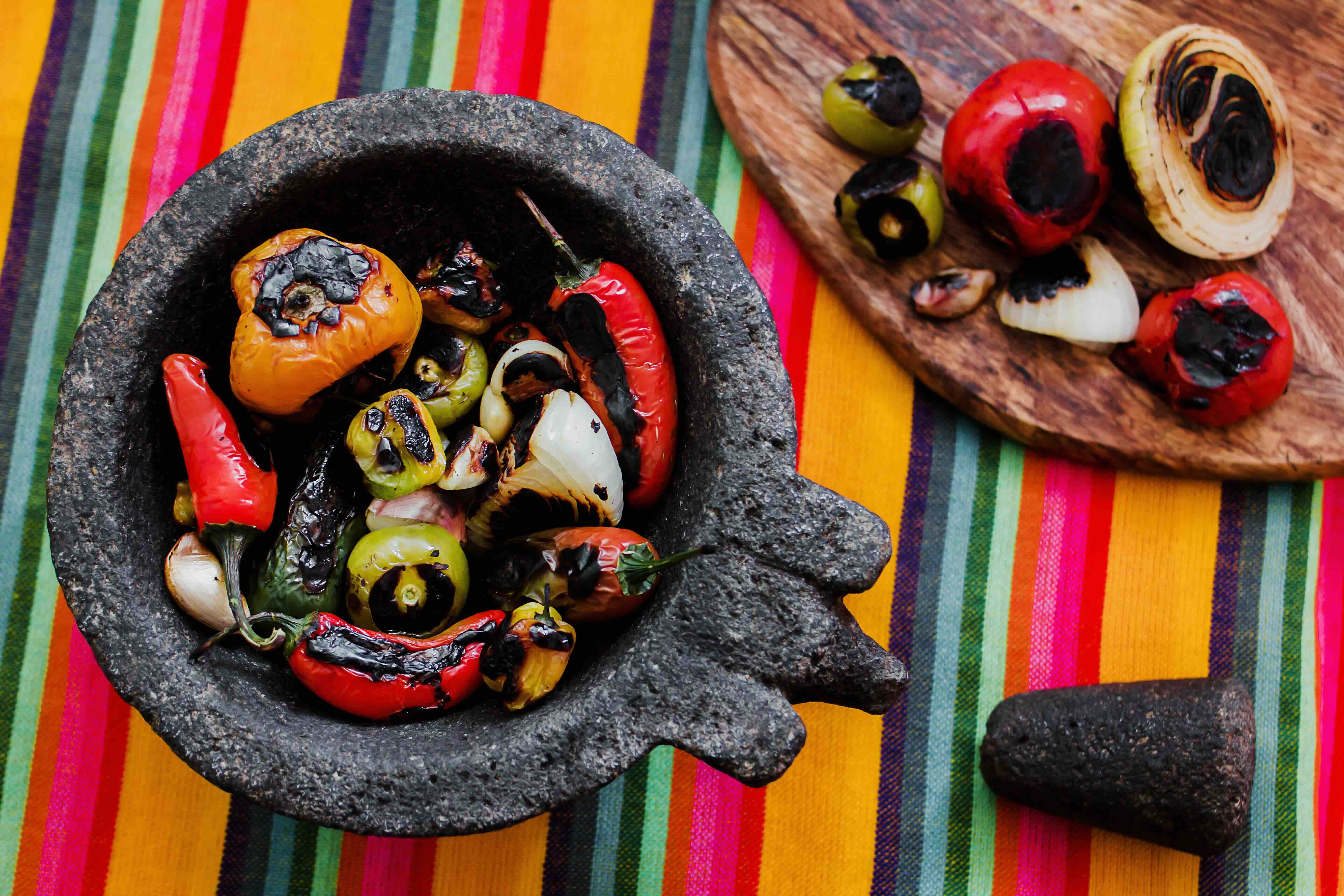
Before metal cookware, most cooking happened over open flame or on clay. That meant everything had a little smoke, a little char, and a lot of character.
Modern ways to mimic it:
- Char vegetables under the broiler.
- Use a cast iron pan for high‑heat searing.
- Add a touch of smoked salt.
You don’t need a fire pit to get the idea across!
Grinding and Texture: What Makes It “Taste Old”
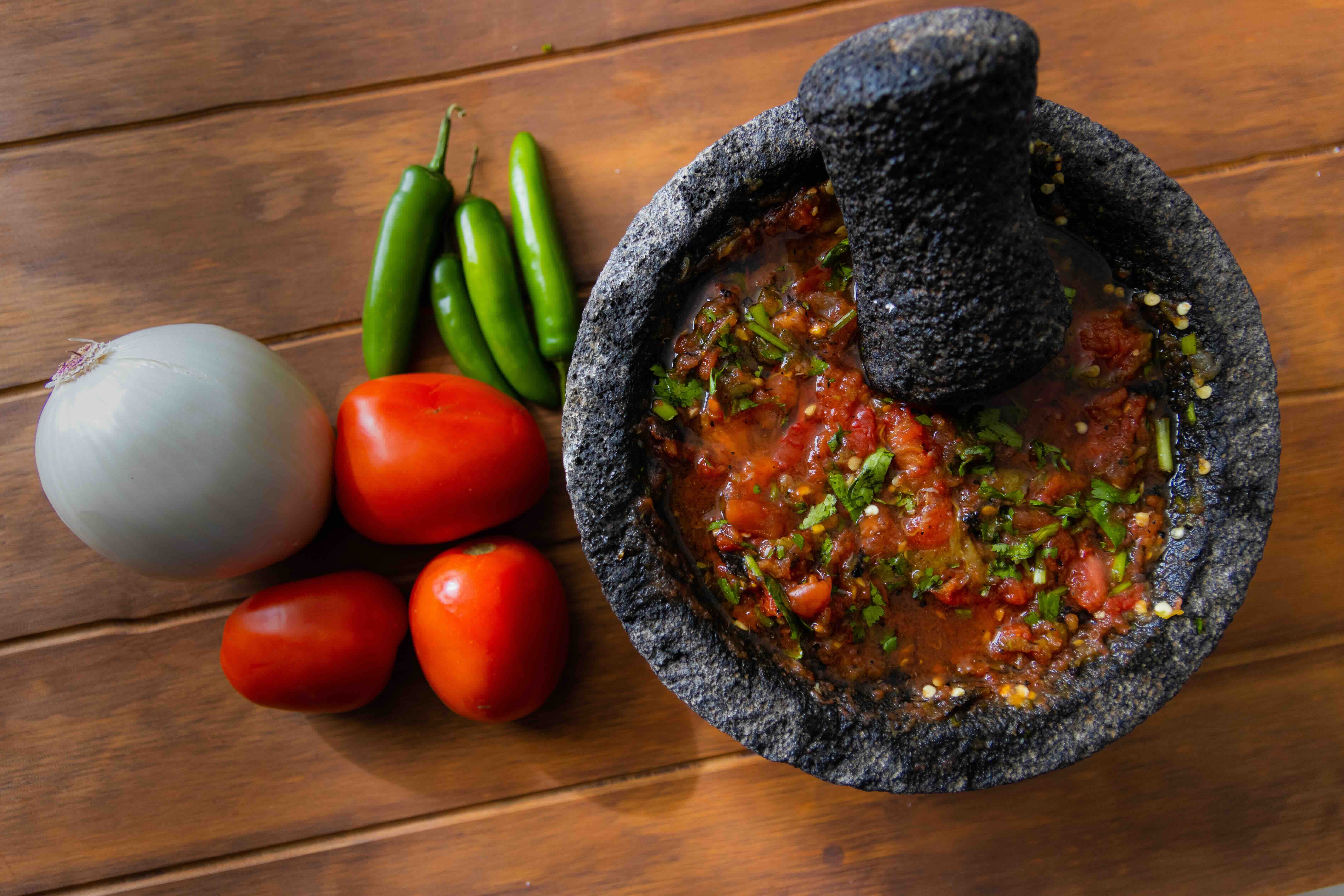
Texture is one of the most overlooked parts of Pre‑Hispanic cooking. Sauces weren’t always silky. They were rustic, hand‑ground, and full of life.
How to honor that:
- Pulse sauces instead of fully blending.
- Use a molcajete for small batches of salsa and guacamole.
- Leave some seeds or chile skins in your dishes for character.
A little texture goes a long way.
Bringing It All Together
Cooking with pre Hispanic flavors isn't about recreating ancient dishes perfectly. I don't know how much we really could. It is about understanding the building blocks that shaped them and using those ideas in a modern kitchen. When you cook this way, you are not just making dinner. You are tapping into a food tradition that has survived colonization, migration, and centuries of change. You are keeping something alive! I hope you enjoy incorporating some of these flavors into your life!


