


Agua de piña is one of the easiest aguas frescas you can make at home, and it’s one of the most rewarding. Pineapple has a naturally strong flavor that holds up beautifully when poured over ice, so the drink stays vibrant instead of getting washed out. It’s bright, lightly sweet, and naturally hydrating. If sunshine and summer were a drink, it'd be Agua de Piña!
There’s a lot to love about pineapple. It’s naturally higher in vitamin C than many fruits used for aguas frescas, and its balanced natural sugars mean you usually need less added sugar. When you blend the fruit with cold water and strain it well, you get a smooth, golden drink that tastes like sunshine in a glass. It’s perfect for warm days, family gatherings, or any moment when you want something refreshing that doesn’t feel heavy.
This recipe is also close to zero waste. The peel and core you’d normally throw away can be used to make tepache, a naturally fermented pineapple drink. If you plan to make our tepache recipe, set the peel and core aside instead of tossing them. One pineapple can give you two completely different drinks!
A Drink Rooted in Everyday Mexican Cooking
Agua de piña shows up everywhere in Mexico. It’s sold in mercados, served at family meals, and poured from giant glass jars packed with ice. It’s simple, affordable, and always crowd-pleasing. Pineapple grows well in warm climates, and its flavor is strong enough to shine even when stretched with water, which is part of why it became such a staple.
Aguas frescas are meant to be refreshing, not sugary. They’re designed to hydrate, cool you down, and pair well with food. Pineapple fits that purpose perfectly. It blends smoothly, strains cleanly, and has enough acidity to stay bright even after chilling.
Why This Recipe Works
This version focuses on balance. The pineapple is blended with just enough water to keep the flavor strong, then strained to remove the fibers that can make the drink feel heavy. The sweetness is added after straining so you can adjust it to your taste. Some pineapples are very sweet, others are more tart, and this method lets you land exactly where you like it.
The drink stays smooth because everything is strained, even if it looks blended. Pineapple fibers are sneaky. They hide in the mixture and only show up when you pour the drink. Straining keeps the texture clean and refreshing.
This recipe also gives you room to adjust the strength. If you want a bold, almost punch‑like agua, use less water. If you want something lighter and more sippable, add more water slowly until the flavor feels right.
Ingredient Notes
Pineapple
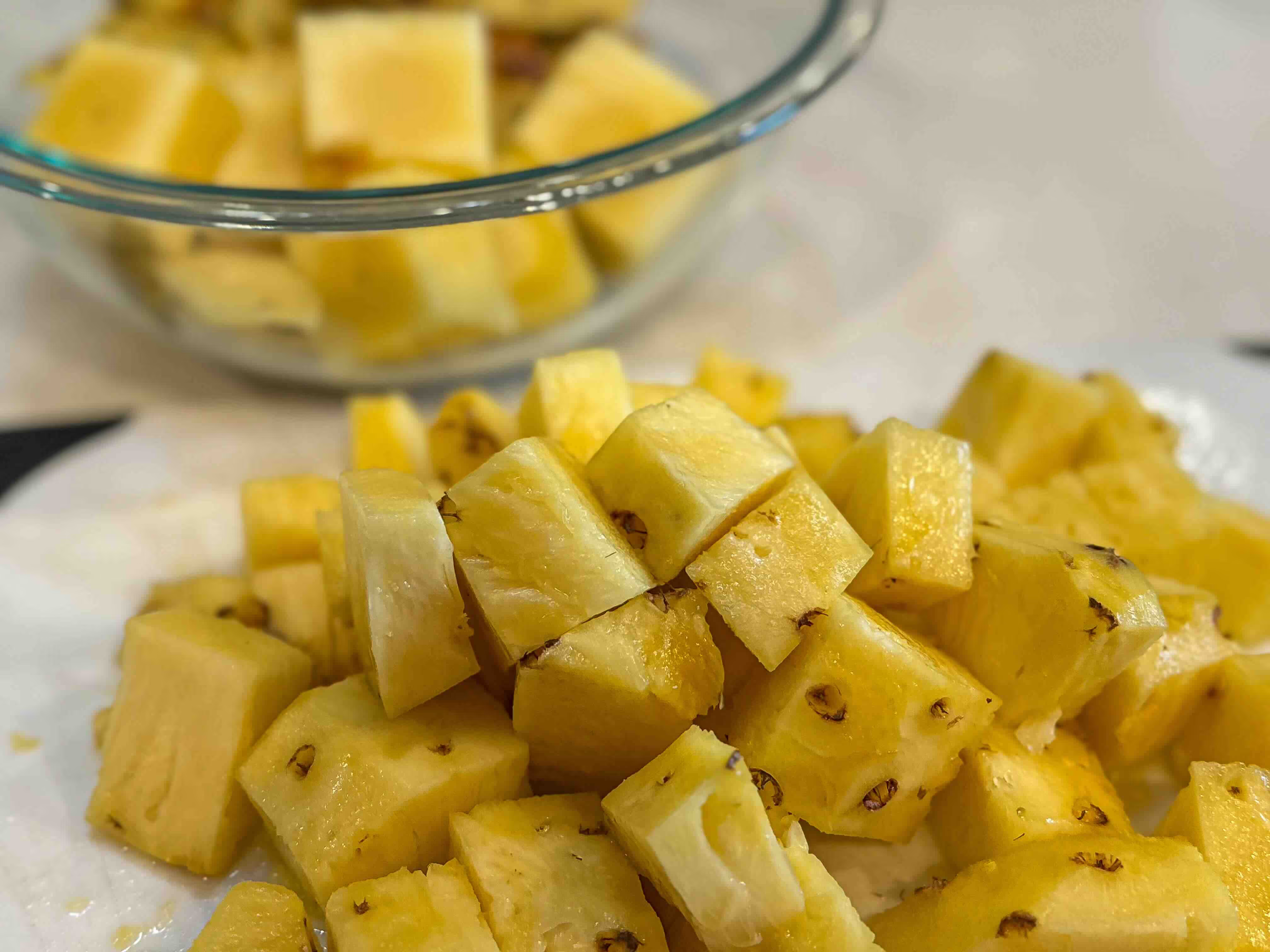
Any ripe pineapple works. Look for one that smells sweet at the base and has a little give when pressed. The color doesn’t matter as much as the aroma. Pineapple is currently on the Clean 15 list, which means it tends to have lower pesticide residue, so buying conventional is perfectly fine.
Water
Cold, filtered water gives you the cleanest flavor. If your tap water tastes good on its own, it’ll taste good in your agua.
Sugar
Start small and adjust. Pineapple varies a lot in sweetness. Some need almost no sugar, while others need a little help. You can use white sugar, piloncillo syrup, honey, or even a sugar-free option if you prefer. Whatever floats your boat. Add it after straining so you can taste the drink clearly.
Optional Flavor Additions
A small pinch of salt can round out the flavor, especially if your pineapple leans tart. A squeeze of lime brightens the drink even more. You can also add a few fresh mint leaves to the pitcher for a subtle herbal note.
Why Pineapple Sometimes Makes Your Mouth Burn
Some people get a prickly or burning feeling in their mouth when they eat fresh pineapple. It’s surprisingly common, and it’s usually not an allergy. It’s because of bromelain, a natural enzyme in pineapple that breaks down proteins. That’s right. It’s basically tenderizing your tongue.
Bromelain is concentrated in the core and near the stem, which is why some bites feel harsher than others. When you blend pineapple for agua fresca, the enzyme gets diluted, but some people are still sensitive to it.
There are a few simple ways to soften that effect:
- Avoid the core. The highest concentration of bromelain is in the core and the area closest to the stem. Avoiding those areas gives you a gentler drink.
- Salt water rinse. Soaking fresh pineapple pieces in lightly salted water for a few minutes can help neutralize the enzyme.
- Pair with dairy. Dairy proteins bind to bromelain, which helps calm the burning sensation. Serve this agua fresca alongside dishes that contain dairy like Molletes, Tacos de Papa, and Enfrijoladas.
- Chill the drink. Cold temperatures make the enzyme feel less intense.
Bromelain irritation is common, but allergies are a different thing entirely. If you or anyone else ever suspects they’re allergic, or if they experience swelling, hives, or trouble breathing, they shouldn’t drink it and should talk to a healthcare professional. But for most people, it’s just the enzyme doing its job.
How to Make Agua de Piña Taste Its Best
Blend thoroughly
Blend the pineapple until completely smooth. This extracts the most flavor and makes straining easier.
Strain even if it looks smooth
Pineapple fibers are tough. Even if you can't see them, they're there! Straining keeps the drink light and refreshing.
Adjust sweetness slowly
Start with a small amount of sugar and taste as you go. Pineapples vary in sweetness and acidity, so there’s no one perfect amount.
Add water gradually
If you add too much water at once, the drink will taste flat. Add a little at a time until the flavor lands where you like it.
Chill before serving
Agua de piña tastes best cold. Let it chill for at least an hour so the flavors settle.
Try a chamoy and tajín rim
It adds a tangy, spicy contrast that pairs beautifully with pineapple. Absolutely delicious!
Variations
Agua de Piña con Hierbabuena
Blend a handful of fresh mint with the pineapple for a cooling, herbal version.
Pineapple Lime Agua Fresca
Add the juice of one or two limes for extra brightness.
Spicy Pineapple Agua Fresca
Blend in a small piece of fresh jalapeño or add a few slices to the pitcher.
Pineapple Coconut Agua Fresca
Replace part of the water with coconut water for a tropical twist.
Troubleshooting
Why does my agua de piña taste bitter?
The pineapple may have been underripe. Add a little sugar or a squeeze of lime to balance it.
Why does it taste too watery?
Blend a little more pineapple and strain it in, or reduce the water next time.
What can I do if I made it too sweet?
Add more water or a splash of lime juice.
Zero Waste Tips
Pineapple peel and core are full of flavor and natural yeast. Instead of throwing them away, use them to make tepache. It’s a naturally fermented drink that’s bright, lightly fizzy, and perfect for warm weather. One pineapple can give you two completely different drinks, which feels economical, environmentally-conscious, and satisfying!
Why This Recipe Belongs in Your Rotation
Agua de piña is simple, refreshing, and naturally flavorful. It’s a drink that feels good to make and even better to share. It uses the whole fruit, adapts to your taste, and brings a little brightness to any day. Whether you’re serving it at a party, pairing it with dinner, or sipping it on a warm afternoon, it’s one of those drinks that always hits the spot.


