
Epazote is one of the unsung heroes of Mexican cuisine that has shaped the cuisine of central and southern Mexico since pre-Hispanic times. Outside of Mexico, you might also see it called wormseed, Mexican tea, or Jesuit’s tea. It's normally found in pots of beans, brothy soups, esquites, tamales, mole, and plenty of other everyday dishes. If you grew up with it, the smell alone can pull you straight back into your family kitchen. If not, you might be a little suspicious of it... If you've heard of it at all.
This guide breaks down what epazote is, what it tastes like, how to cook with it, and some of its surprising possible benefits. We'll also go over how to store it, how much to use, and what to do if you can’t find it. By the end of this post, you’ll understand why this herb has held its place in Mexican kitchens for generations.
What Is Epazote?
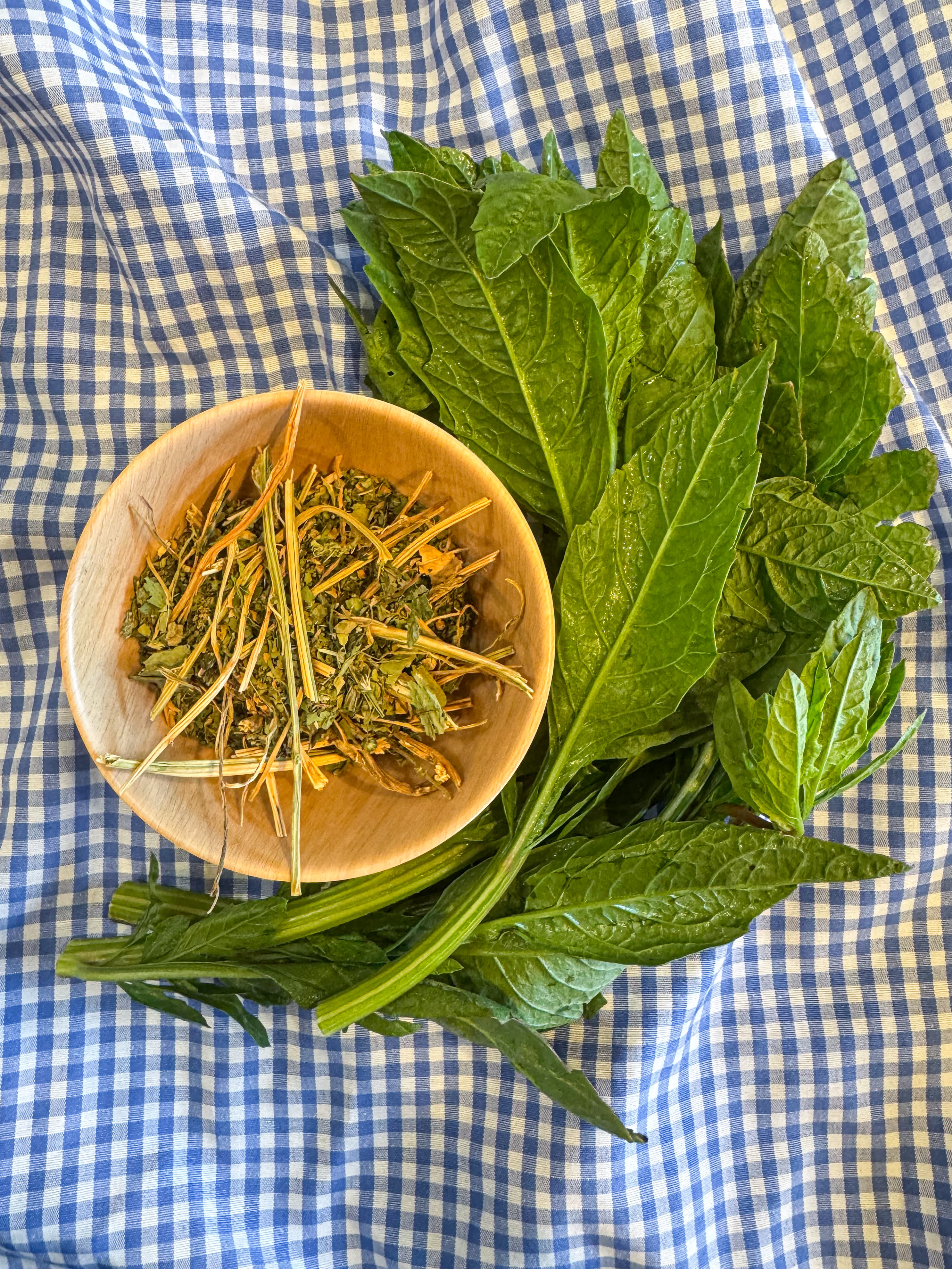
Epazote is an aromatic herb native to Mexico and Central America. It has been used since pre‑Hispanic times in cooking, medicine, and daily life. You’ll find it growing wild in many regions, especially in warm climates, and it has a long history as a household staple.
The name actually comes from the Nahuatl word epazotl, which refers to its strong, resinous smell. (The name roughly translates to skunky herb!) The smell is the first thing people notice. It’s bold, earthy, and unmistakable. Some describe it as herbal and minty. Others say it smells a little like eucalyptus or anise. The truth is that epazote has its own unique personality. It doesn’t taste or smell like anything else.
Today, you’ll see it used in dishes like:
It's also the secret ingredient in our Chilaquiles! Fresh epazote is ideal, but dried epazote (like this brand that you can get from Amazon) is a solid pantry ingredient that still delivers the flavor you want. We always keep a bag on hand in case of emergencies.
What Does Epazote Taste Like?
Epazote has a complex, layered flavor. It’s herbal and earthy. When cooked, it softens into a warm and savory version of itself. It never fully disappears into the background. Instead, it lifts the dish and gives it a distinct Mexican character.
Here’s how people often describe its flavor:
- Herbal
- Slightly minty
- Earthy
- Resinous
- A little peppery
- Slightly citrus
If you’ve ever eaten beans in central or southern Mexico and wondered why they taste so different from the ones you make at home, epazote is the most likely reason.
Traditional Benefits of Epazote
Epazote has been part of Mexican cooking and home remedies for a very long time. Families across central and southern Mexico have used it not only for flavor but also for its believed benefits. These uses vary by region and even by household, but they've all been passed down through generations. While modern research is still catching up, many people continue to value epazote for the qualities it has been known for throughout history.
Here are just some of the most commonly mentioned benefits.
1. Digestive Support
Epazote is best known for helping heavy meals feel easier on the stomach. That includes relieving bloating and even indigestion. This is one of the oldest and most widespread uses of the herb.
2. Helping Beans Stay Polite
Epazote is often added to beans because it is believed to keep things calm on the... back end of the meal. It is one of those practical bits of kitchen wisdom that has survived for a reason.
3. Traditional Antiparasitic Use
Epazote contains a compound called ascaridole, which is part of why it was historically used as a household remedy for intestinal worms. This practice goes back to pre‑Hispanic times and continues down to this day, especially in regions where the herb is easy to find and where traditional remedies remain part of everyday life. Most people may prefer to buy an antiparasitic from a pharmacy, but plenty of households continue to prepare epazote in the ways they were taught, trusting the same methods their parents and grandparents used.
4. Respiratory Support
Some families use epazote tea or infusions when dealing with congestion or seasonal discomfort. This varies widely by region, but it is a common part of the herb’s traditional profile.
5. Anti‑Inflammatory, Antioxidant, & More
Epazote has long been described in many households as a calming or soothing herb, and there is research that supports what people have believed for generations. Studies on the plant have found that epazote can show anti‑inflammatory, antioxidant, antibacterial, and even pain-relieving effects. These findings align with the way many families have used the herb for everyday discomfort, minor aches, and general wellness.
6. Nutrient Content
Epazote contains vitamins A and C along with minerals like calcium, iron, and potassium. Even if you're not eating it in large quantities, the herb still brings a nutritional boost to the dishes it seasons.
How to Use Epazote: Five Traditional Methods
Epazote's flavor changes depending on when it enters the cooking process. Some methods keep the flavor bright. Others make it deeper and more savory. None of these techniques are modern tricks. They all come from real Mexican kitchens, and each one brings out a different side of the herb.
Below are five of the common ways to use Epazote. (All methods can work with both dried and fresh.)
Method 1: Add Epazote Toward the End for a Bright, Herbal Aroma
This is the classic approach for dishes where you want the aroma to stay fresh. Adding epazote near the end keeps its herbal notes intact. You’ll notice it more in the aroma than in the actual taste. It's more subtle.
Use this method when:
- You want the flavor to be more subtle and clean
- You are working with delicate broths
How to do it:
- Add a sprig or two of fresh epazote
- Let it simmer for the last 10 to 15 minutes
- Some people remove the stem before serving, others eat it
This keeps the flavor bright and aromatic.
Method 2: Add Epazote Earlier and Let It Simmer With the Dish
This is how many families cook beans. Instead of waiting until the end, the epazote cooks along with the rest of the dish. The herb softens into the broth and becomes part of the base flavor. The epazote takes on a deeper and more savory flavor.
Use this method when:
- You want the epazote to flavor the broth itself
- You are cooking beans, lentils, or long‑simmered dishes
- You want a balanced, integrated flavor
How to do it:
- Add a sprig or two at the beginning of the cooking process
- Taste the broth and adjust next time if you want a stronger or lighter flavor
This is the method most people use without thinking about it. It's simple and reliable.
Method 3: Bloom Epazote in Oil for a Deep, Savory Base
This method creates a completely different personality. When epazote meets warm fat, it releases its resinous, earthy compounds in a slow, controlled way. The flavor becomes even deeper and more savory. It loses some of the minty edge and becomes rounder.
Use this method when:
- You are building a base for a sauce
- You want the epazote to blend into the dish
- You want a warm, savory backbone
How to do it:
- Warm your oil over medium heat
- Add a sprig or two of epazote
- Let it sizzle gently for 30 to 40 seconds
- Add your salsa, aromatics, or corn right after
You are not just frying the herb, you are coaxing out its oils.
Method 4: Steam or Infuse Epazote for Subtle, Even Flavor
Some dishes rely on steam or gentle heat to carry the flavor of epazote through the food. This method is common in tamales and rice. The herb never touches hot oil and does not simmer long enough to become strong. Instead, it perfumes the dish quietly.
Use this method when:
- You want a subtle, background flavor
- You are cooking rice, tamales, or steamed dishes
- You want the aroma without the intensity
How to do it:
- Tuck a sprig into the pot or steamer
- Let the dish cook normally
- Remove the sprig before serving
This creates a soft, even flavor that supports the dish without drawing attention to itself.
Method 5: Blend Epazote Into Salsas and Sauces
Some cooks add a small amount of fresh epazote directly to the blender when making salsa or other sauces. This gives the sauce a bright, herbal lift without needing to simmer the herb at all.
Use this method when:
- You want a fresh, green note
- You want the flavor to be present but not cooked down
How to do it:
- Add a few leaves to the blender
- Blend with your tomatoes, chiles, or aromatics
- Taste and adjust
Which Method Should You Use?
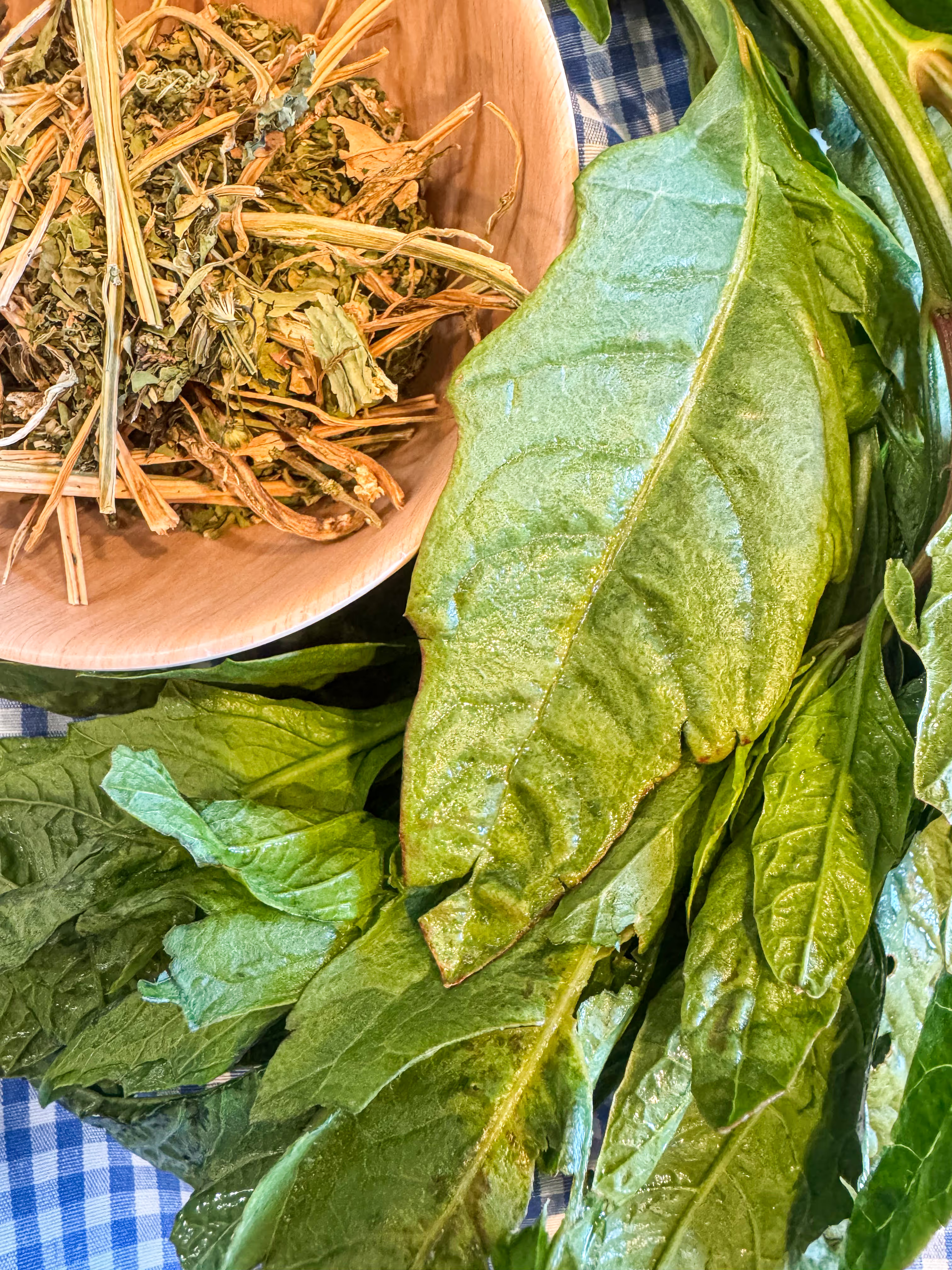
There is no single right answer. Epazote is flexible. The method you choose depends on the dish and the flavor you want. You can also experiment and find the method you like most.
A simple guide:
- For bright flavor: add it at the end or blend it.
- For integrated flavor: simmer it with the dish.
- For deep, savory flavor: bloom it in oil.
- For subtle background aroma: steam or infuse it.
How Much Epazote Should You Use?
This depends on the dish and your personal preference.
As a general rule, start with less and go from there. If you’re new to epazote, start small but without fear. You can always add more next time. If you're using dried epazote, keep in mind that it's far less strong than fresh epazote. Most websites will tell you to substitute one teaspoon for a sprig, but we feel like it's better to do one tablespoon per sprig.
How to Store Epazote
Fresh Epazote
- Wrap it in a paper towel
- Place it in a loose plastic bag
- Store it in the refrigerator
- Use within 3 to 5 days
Dried Epazote
- Keep it in an airtight container
- Store it in a cool, dark place
- Use within 6 to 12 months
Dried epazote is a great pantry staple for anyone who cooks Mexican food regularly.
Where to Buy Epazote
You can find epazote in:
- Mexican grocery stores
- Latin markets
- Amazon
- Farmers markets in some areas
- Online shops that sell dried herbs
Fresh epazote can be seasonal, but dried epazote is available year‑round.
Why We Love Epazote
Epazote brings something special to the kitchen. It’s bold, aromatic, and deeply tied to Mexican food culture. It transforms simple dishes and adds a sense of identity that you can’t get from other herbs.
We love it because:
- It's delicious
- It's nutritious
- It connects us to older food traditions
- It adds deep flavor
- It’s easy to use
- It brings a familiar comfort to everyday meals
If you’ve never cooked with it before, start with a pot of black beans. Add a sprig of fresh epazote or a tablespoon of dried. Let it simmer for a few minutes. Taste the broth. You’ll understand why this herb has stayed in Mexican kitchens for centuries.
Final Thoughts
Epazote is one of the most distinctive herbs in Mexican cooking. It’s bold, aromatic, and rooted in Indigenous tradition. Whether you use it fresh or dried, it brings depth and character to simple dishes. Once you get comfortable with it, you’ll start reaching for it naturally!


