
Mexican food did not start with tacos or quesadillas or anything involving melted cheese. It started thousands of years earlier with people who figured out how to turn corn, beans, squash, and chiles into a whole universe of nutritious and delicious dishes. A lot of that early cooking is still with us. You can see it in the way tortillas puff on a hot comal or in the way a salsa tastes better when you make it in a molcajete instead of a blender.
If you have ever wondered what Indigenous Mexican food looked like before Europeans arrived, this is the place to start. The deeper we go into these ancient dishes, tools, and techniques, the easier it is to see how much of the cuisine is built on knowledge that has survived thousands of years. It never disappeared. It just kept evolving, one pot of beans and one batch of masa at a time.
This guide explores what pre-Hispanic Mexican food looked like before Spanish influence, how Indigenous cooks shaped the cuisine, and why so many of those early traditions are still alive in modern kitchens.
The Deep Roots of Pre‑Hispanic Mexican Cooking
Before Europeans set foot in the Americas, Mesoamerican communities had already built one of the most sophisticated food systems in the world. They were farming, grinding, roasting, steaming, seasoning, and even fermenting long before wheat, dairy, or livestock entered the picture. The food was practical, flavorful, and deeply connected to the land. It was also incredibly inventive.
At the center of everything was maize. This early corn was carefully bred, selected, and transformed through nixtamalization. This process unlocked nutrients, softened the kernels, and made masa possible. Without it, there would be no tortillas, no tamales, no atoles, and honestly, no Mexican cuisine as we know it. In short, no joy!
Beans were the second pillar. They were cooked whole, mashed, or added to stews. Together with maize, they created a complete protein source. Squash rounded out the trio, and every part of it was used. The flesh went into soups and stews, the seeds were toasted and ground for sauces, and the blossoms were cooked in broths or wrapped in masa. This trio, known as the "Three Sisters", provided a complete diet of starch, protein, and nutrients.
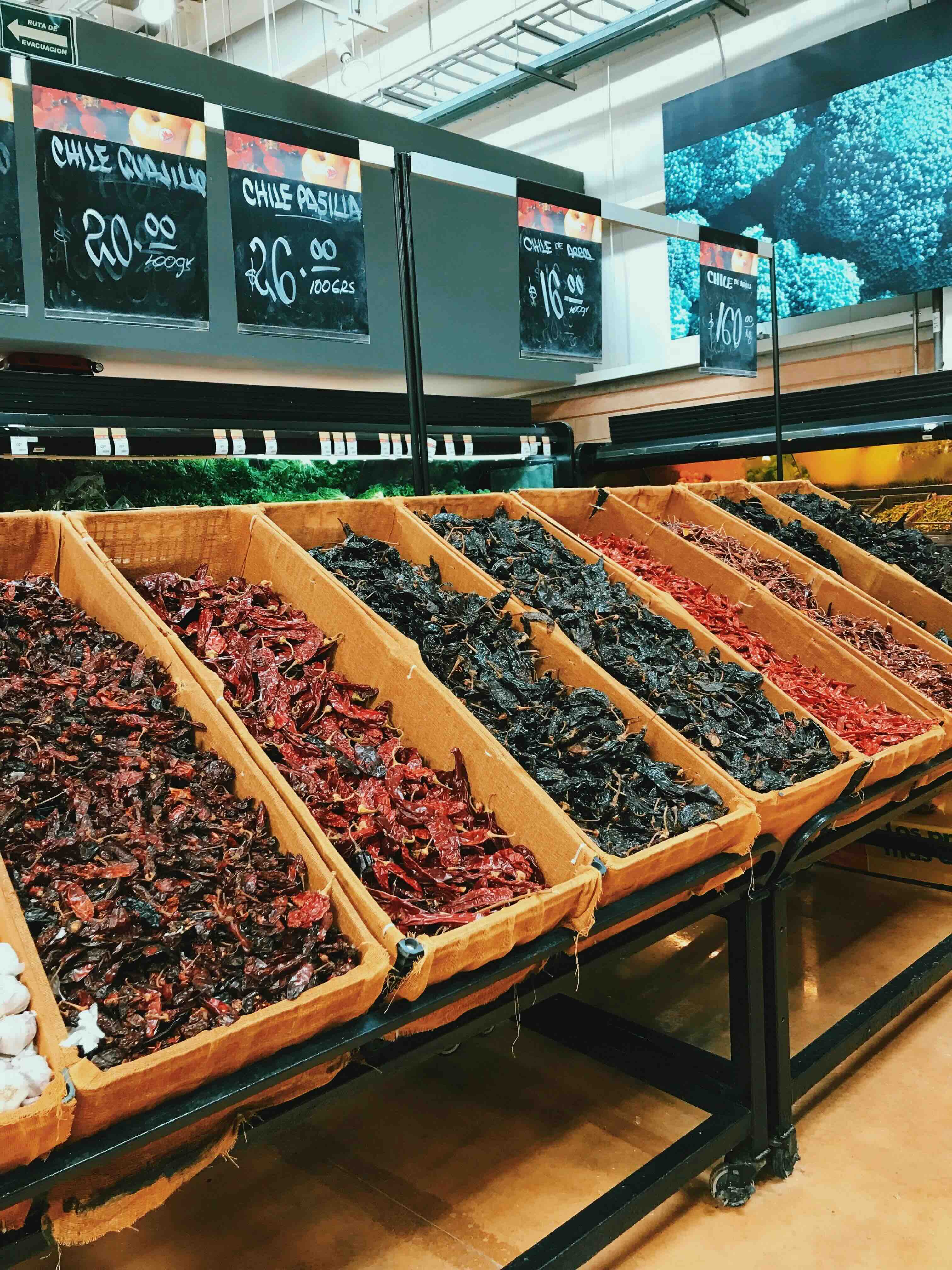
Chiles added heat and complexity. Tomatoes and tomatillos added acidity. Herbs like epazote and hoja santa added aroma. Cacao added bitterness and depth. Amaranth and chia added texture and nutrition. These ingredients weren’t just food; they also played roles in medicine, daily life, and ceremony.
If you look at a modern Mexican pantry, you will notice that most of these ingredients are still there. They have been joined by others, but they never left.
The Tools That Built a Cuisine
One of the easiest ways to understand Pre‑Hispanic cooking is to look at the tools. They shaped not only the food but the flavors and textures that define Mexican cuisine even today.
The metate was the original food processor. It is a flat stone used for grinding maize, chiles, cacao, and seeds. Grinding on a metate creates a texture that is impossible to replicate with a blender. It is smooth but still has a little grit, which gives sauces their body and masa its structure. If you have ever wondered why a tortilla made from hand‑ground masa has a different mouthfeel and flavor, the metate is the reason.
The molcajete is the metate’s smaller, round cousin. It's a volcanic stone mortar and pestle that crushes aromatics and builds salsas. The rough surface creates friction that releases oils and flavors in a way that metal or plastic tools cannot. A molcajete salsa has a truly unparalleled texture. It's rustic, flavorful, and layered.
The comal is a flat griddle used for cooking tortillas, toasting chiles, roasting tomatoes, and heating food. It is one of the most important tools in Mexican cooking. Pans may come and go, but a comal is forever. I'm pretty sure my cast iron comal could outlive me! It's simple, but it's essential.
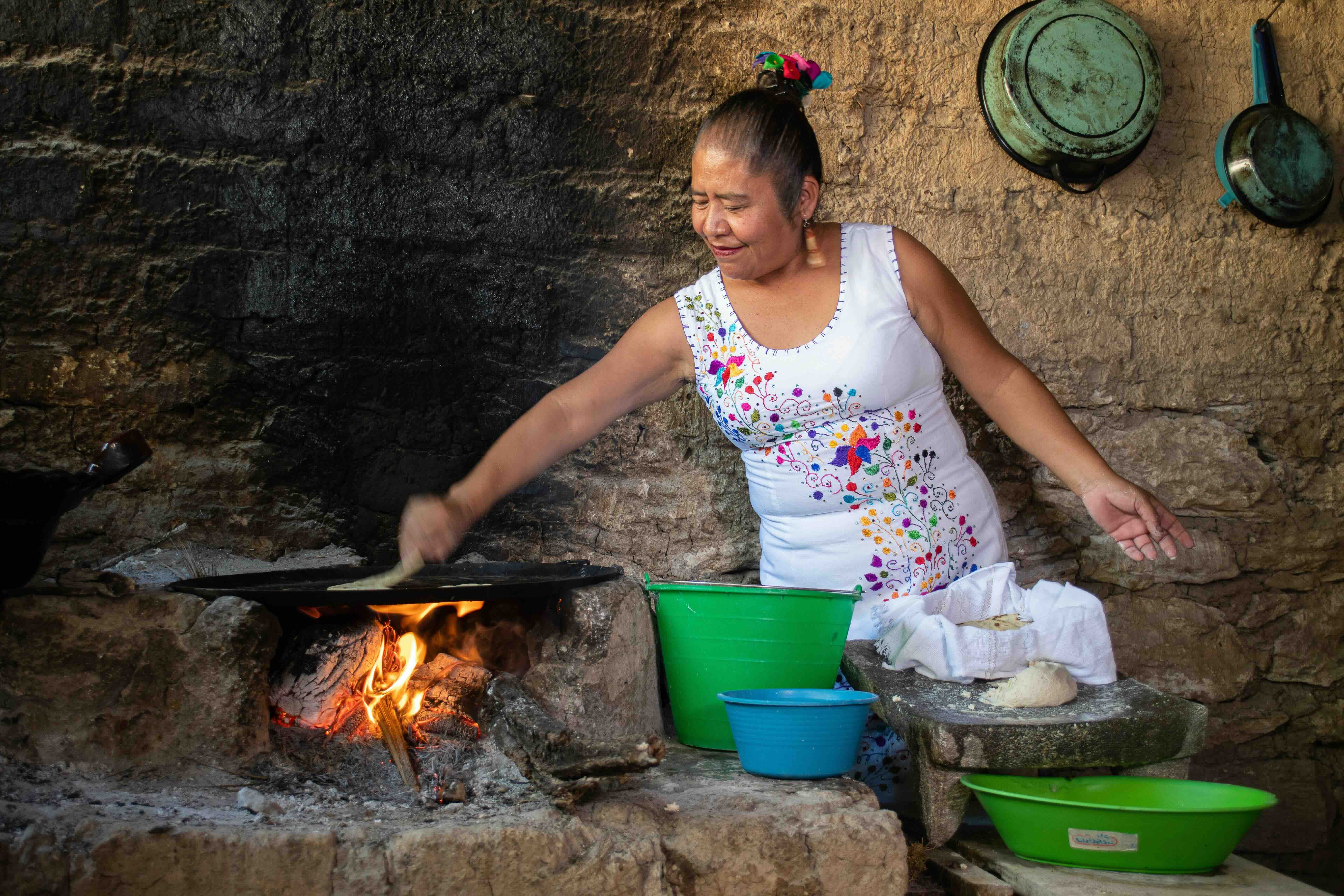
Clay pots were used for slow cooking beans, stews, and sauces. Clay distributes heat evenly and adds a subtle earthy flavor. Many cooks in Mexico still prefer clay pots for dishes like frijoles de la olla or mole because the results are noticeably different from metal cookware. It's a bit of an 'if you know, you know' sort of thing.
These tools were not just practical. They were part of a culinary philosophy that valued patience, texture, and transformation. They also created flavors that modern appliances still can't really replicate, which is why so many cooks still use them today. There's a whole sea of younger adults returning to traditional cookware because, even if they're less convenient, traditional tools give you better-tasting food.
Techniques That Defined Pre‑Hispanic Food
Tools are important, but as we all know, a tool is only as good as the person using it. Pre-Hispanic cooks mastered several techniques that turned simple ingredients into complex dishes.
Nixtamalization was the most important technique. It involved soaking maize in an alkaline solution, usually made from water and limestone. This process changed the structure of the maize, making it more nutritious and easier to grind. It also gave masa its distinctive aroma and flavor. Without nixtamalization, there would be no tortillas, no tamales, and no pozole.
Toasting ingredients before grinding them was another foundational technique. Chiles, tomatoes, garlic, and seeds were toasted on a comal to deepen their flavor. This step is still essential for making salsas, moles, and pipianes. If you skip it, the dish can taste flat.
Grinding ingredients by hand created a texture that was both smooth and rustic. This texture is central to many sauces and masa‑based dishes. Even today, many cooks still prefer the flavor and mouthfeel of hand‑ground ingredients.
Steaming food in leaves was common. Tamales were wrapped in corn husks or banana leaves. Fish and vegetables were also steamed in leaves to infuse them with aroma and moisture.
Cooking over direct heat created charred, blistered, and smoky flavors. This technique is still used for roasting chiles, cooking meat, and preparing vegetables for salsas.
These techniques weren't only practical. They were part of a culinary worldview that valued balance, transformation, and the natural qualities of ingredients.
What Pre‑Hispanic Dishes Actually Looked Like
Many of the dishes that existed before European contact are still recognizable today. They may have evolved, but their core elements remain the same.
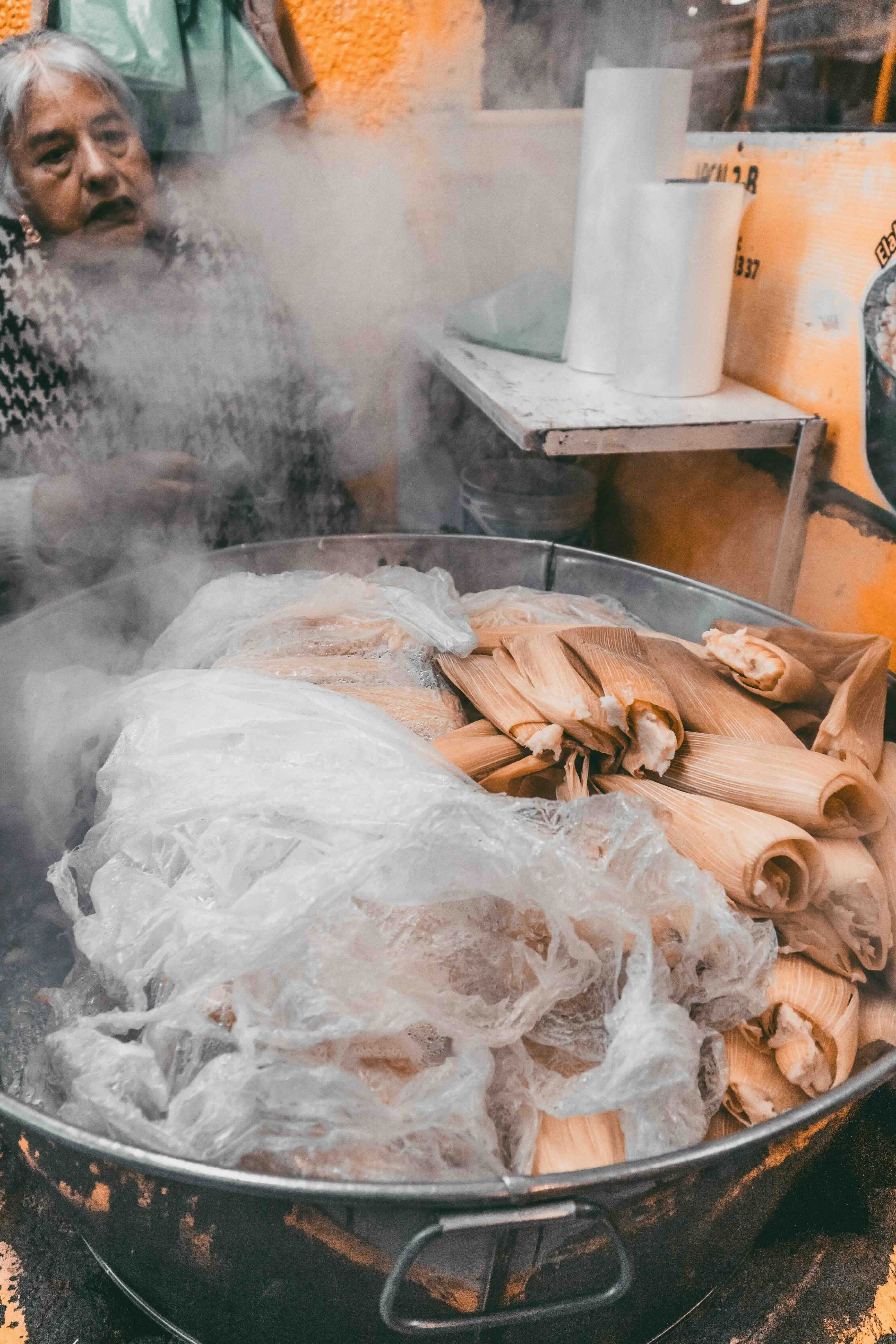
Tamales were filled with beans, squash, chiles, or nothing at all. They were steamed in leaves and eaten during daily meals and ceremonies. They were portable, nourishing, and super adaptable.
Atole was a warm drink made from masa and water. It could be flavored with chili, cacao, or fruit. It was a staple for breakfast, consumed for energy during long journeys, and was even given to breastfeeding mothers to increase milk supply!
Cacao drinks thickened with maize or seasoned with spices and chili were common. These drinks weren't sweet. They viewed it as a gift from the god Quetzalcoatl and used it for everything from medicinal tonics to religious ceremonies.
Tlacoyos, a personal favorite, were thicker masa cakes filled with beans or vegetables.
Chilaquiles were made using stale tortillas that were cut into pieces, fried, and simmered in a spicy green or red sauce.
Salsas were made from roasted chiles, tomatoes, and herbs. They were ground by hand and used to season almost every meal.
Stews were thickened with ground seeds and nuts. They were cooked slowly in clay pots and flavored with native herbs.
These dishes formed the everyday diet of many Mesoamerican communities. They were nutritious, flavorful, and deeply connected to the land.
How These Foods Survived Into Modern Mexican Cooking
When European ingredients arrived, they didn't replace Indigenous foods. They layered onto them. Livestock, dairy, wheat, rice, and Eurasian spices expanded the Mexican pantry, but the core of the cuisine remained Indigenous.
The tools stayed the same. The techniques stayed the same. The foundational ingredients stayed the same. The result is a cuisine that carries its rich history in plain sight. These traditions survived because they were effective, meaningful, and central to daily life.
Mexican cuisine is often described as mestizo, a blend of Indigenous and European influences. But the Indigenous foundation is what gives it its core identity. It is the reason Mexican food tastes like Mexican food, no matter how many new ingredients or techniques have been added over the centuries. It's also why it consistently ranks as one of the most popular cuisines worldwide.
Why This History Matters Today
Understanding what Mexican food looked like before the Spanish arrived doesn’t require looking that far back. It’s already in the kitchen. It’s in the ingredients, the tools, and the techniques that haven’t entirely changed.
The more you notice those details, the more the food starts to feel connected to something bigger than just a recipe. Not in an abstract way, but in a practical one. Techniques that work, comforting flavors, and tools that stuck around because they were worth keeping. It’s also a reminder that food carries memory, identity, and tradition in ways that written records can’t always capture.
So if you ever find yourself roasting tomatoes on a comal or grinding chiles in a molcajete, I hope you smile. You're keeping ancient tradition alive. How often do we get to say that?


